Driving After 70: What You Need to Know
Reaching the age of 70 doesn’t mean giving up your independence – but it does bring some important changes when it comes to driving. If you or someone you care for is approaching this milestone, here’s what you need to know about staying safe and legal on the road.
Renewing Your Driving Licence at 70
In the UK, your driving licence automatically expires when you turn 70. You must renew it every three years to continue driving. The process is free and can be completed online, by post, or over the phone through the DVLA.
When renewing, you’ll be asked to confirm that your eyesight meets the legal standard and to declare any medical conditions that might affect your driving.
Medical Conditions and Driving
You are legally required to inform the DVLA about certain medical conditions. These include:
- Diabetes (if treated with insulin)
- Epilepsy
- Parkinson’s disease
- Strokes or certain heart conditions
- Vision impairments
Failing to report a notifiable condition could lead to a fine and may invalidate your insurance. For more information, see the DVLA’s list of notifiable conditions.
Keeping Your Driving Skills Sharp
Staying safe behind the wheel isn’t just about passing a vision check. As we age, our reaction times, mobility and confidence can change.
Several organisations offer assessments and refresher courses to help older drivers stay on top form. These include:
- Older Drivers Forum – offers practical advice and free events to help you drive safely for longer.
- IAM RoadSmart – provides mature driver reviews to help you assess your skills in a supportive way.
- RoSPA – offers older driver assessments to help you decide whether to continue driving or consider alternatives.
These services are usually confidential, and assessments don’t affect your licence – they simply give you useful feedback.
Support from Local Councils
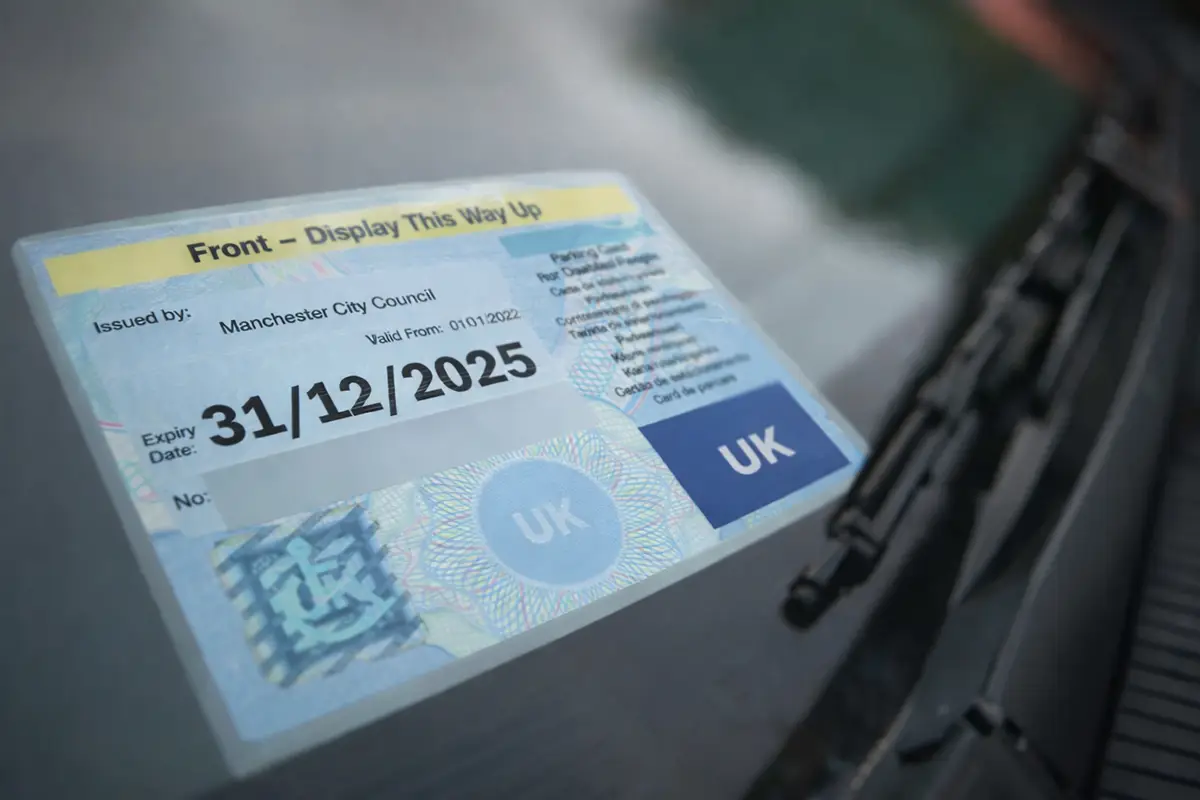
If you have a disability or long-term health condition, you may also be eligible for a Blue Badge. This can make parking easier by allowing access to disabled bays and exemptions from certain restrictions, even if you're still driving. If you're unsure whether you qualify, we can help you with the application process.
Many local councils offer advice and services to support older drivers. For example:
- Hampshire County Council runs a ‘60+ Driver Skills Scheme’, providing subsidised assessments for older motorists.
- Wiltshire County Council runs Drive Plus, a scheme that helps you recognise how your driving is changing as you get older and can help reassure family or friends, if they are concerned about your driving.
- Oxfordshire County Council offers free information packs for older drivers and their families.
- Some councils may also provide local road safety workshops or refresher events specifically aimed at drivers over 70.
Check your local authority’s website or contact their adult services or road safety teams to find out what’s available in your area.
When It’s Time to Stop Driving
There’s no legal upper age limit for driving, but there may come a point when it’s safer – and less stressful – to stop. You might notice changes in your reaction times, confidence in busy traffic, or difficulty turning your head or staying alert on longer journeys.
Deciding to stop driving can be difficult, especially if you’ve driven all your life. But it’s not a failure – it’s a responsible choice that prioritises your safety and the safety of others. If you feel that driving is no longer the right option, there are still many practical ways to stay mobile, active and involved in your community.
Public and Community Transport Alternatives:
The starting point for finding out what transport support is available locally is usually your local council. You can also search through the Community Transport Association (CTA) or contact your nearest Shopmobility scheme for accessible options.
- Free Bus Passes: In England, free bus passes are available from State Pension age. In Wales, residents aged 60 or over are entitled to a Concessionary Travel Card, allowing free travel on most local buses and some trains.
- Senior Railcards: Across the UK, the Senior Railcard gives a third off train fares nationwide.
- Community Transport Services: If public transport isn’t practical or accessible, many areas have community transport schemes offering door-to-door travel:
- Merseylink bus service—offers, on-demand transportation for individuals facing mobility challenges in the Merseytravel region (Knowsley, Liverpool, Sefton, St Helens, Wirral)
- ECT Charity are a charity provide community transport services in Cheshire, Dorset, and Ealing.
- In the Royal Borough of Windsor and Maidenhead, People to Places provides Dial-A-Ride and Shopmobility services.
- In Wales, schemes such as Dolen Teifi in Ceredigion and PACTO in Powys offer accessible community transport for those who can’t use regular buses.
- Local Authority Support: Some councils offer taxi voucher schemes, travel training or subsidised transport for older or disabled residents. Check your local council’s website for details.
Giving up your car doesn’t mean losing your independence – it just means using different tools to stay mobile, active, and connected to your community. The Community Transport Association (CTA) is a useful resource for finding local, accessible transport options across the UK.